Home Window Tinting: Benefits, Types, and Choosing the Best Solution
Discover the benefits, types, and expert tips on home window tinting to improve comfort, privacy, and energy efficiency.
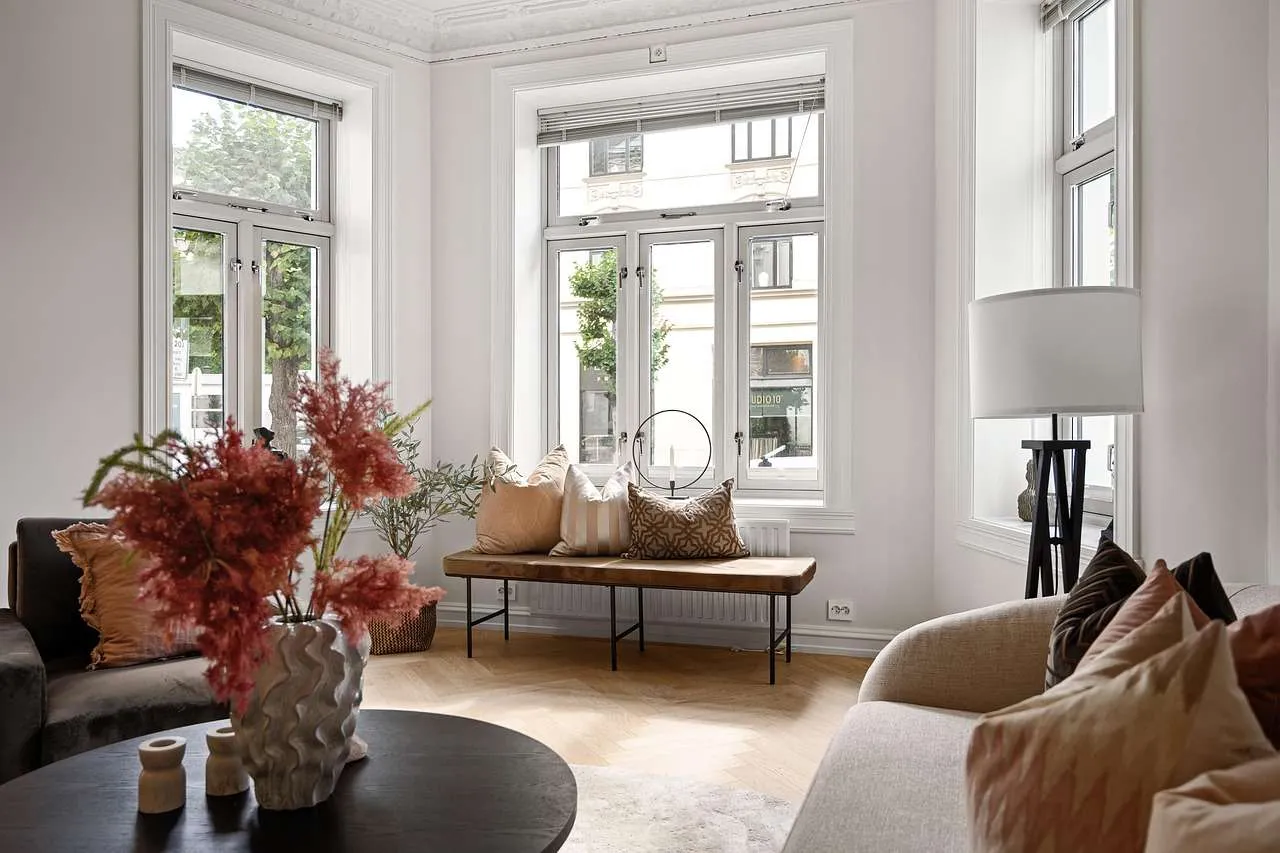
What is Home Window Tinting?
Home window tinting refers to the application of specialty films on residential windows that improve energy efficiency, enhance privacy, reduce glare, and protect interiors from harmful UV rays. This process involves adhering a thin laminate film to the inside surface of the window glass to achieve a range of functional and aesthetic benefits.
Top Benefits of Home Window Tinting
1. Energy Savings and Improved Comfort
One of the principal reasons homeowners invest in window tinting is to reduce energy costs. Tinted windows block significant amounts of solar heat, keeping rooms cooler in summer and reducing reliance on air conditioning. In colder months, some films also enhance insulation, helping retain warmth indoors.
2. UV Protection
Exposure to UV rays can fade furniture, carpets, flooring, and artwork over time. Quality window tint films block up to 99% of damaging UV rays, prolonging the life and appearance of interior furnishings and minimizing skin damage.
3. Enhanced Privacy and Security
Home window tinting provides increased privacy without sacrificing natural light, allowing you to enjoy your views without unwanted visibility from outside. Additionally, certain thicker films can reinforce window glass, making it more resistant to shattering during accidents or break-ins.
4. Glare Reduction
Bright sunlight can cause uncomfortable glare on televisions, computer screens, and other reflective surfaces. Tinted windows significantly cut down glare, improving indoor comfort and visibility.
Popular Types of Window Tint Films for Homes
| Type of Film | Description | Key Benefits |
|---|---|---|
| Dyed Film | Contains a layer of dye that absorbs solar heat | Cost-effective, reduces glare, moderate heat rejection, improved privacy |
| Metalized Film | Infused with metallic particles that reflect heat and UV rays | Strong heat rejection, durable, improved window strength, slight mirror effect |
| Hybrid Film | Combines dyed and metalized layers | Balanced heat rejection, less fading than dyed alone, enhanced privacy |
| Ceramic Film | Non-metallic, nanotechnology film | Excellent heat and UV rejection, no fading, non-reflective, higher cost |
| Security Film | Thicker film designed to hold glass together upon impact | Improved safety, break-in resistance, UV protection, can be tinted or clear |
How to Choose the Right Home Window Tinting Film
Choosing the best window tint film involves considering factors such as climate, home orientation, budget, and personal preferences for aesthetics or privacy. For example, if energy savings and UV protection are priorities, ceramic films may be ideal despite upfront costs. For budget-conscious homeowners seeking glare reduction and privacy, dyed or hybrid films can be effective.
Additionally, check if window tinting films comply with local building codes and regulations, and verify warranties offered by reputable installers.
Professional Installation VS DIY Window Tinting Kits
While there are DIY kits available, professional installation ensures a flawless finish, bubble-free application, and optimum film longevity. Experts assess the window type and environmental factors to recommend the right film and application method, which helps avoid costly replacements later.
Maintenance Tips for Tinted Windows
- Clean gently using a soft cloth and mild soap or ammonia-free cleaner.
- Avoid abrasive materials or sharp objects to prevent scratching the film.
- Do not use high-pressure water jets directly on tinted films in the first 30 days to allow proper curing.
- Regularly inspect for peeling or bubbling and address issues early with the installer.
Comparison of Window Tint Benefits
| Benefit | Dyed Film | Metalized Film | Ceramic Film | Security Film |
|---|---|---|---|---|
| Heat Rejection | Moderate | High | Excellent | Good |
| UV Protection | Up to 99% | Up to 99% | Up to 99% | Up to 99% |
| Glare Reduction | Good | Good | Excellent | Moderate |
| Privacy | Good | Good (metallic shine) | Good (non-reflective) | Variable |
| Durability | Moderate | High | High | Very High |
Frequently Asked Questions About Home Window Tinting
Does window tinting reduce natural light?
Window tinting films vary in light transmittance; some films reduce light significantly, while others maintain a bright indoor atmosphere. Selecting a film with high visible light transmission levels ensures natural light remains ample.
Is window tinting safe for all types of glass?
Most window tint films can be safely applied to standard residential glass, but it is essential to match the film type with the glass specifications and consult professionals for specialty or tempered glass.
Will window tinting affect my window warranty?
Proper professional installation by certified experts usually does not void window warranties. However, consult your window manufacturer or installer before applying any films.
Conclusion
Summary: Home window tinting is a smart investment that enhances energy efficiency, protects interiors, improves privacy, and reduces glare in your living spaces. By understanding the different types of tint films—dyed, metalized, ceramic, and security—you can select the best fit for your needs and budget. Professional installation ensures maximum performance and durability. With proper maintenance, tinted windows will contribute to a more comfortable, safe, and attractive home environment for years to come.